
Specific Model Highlights
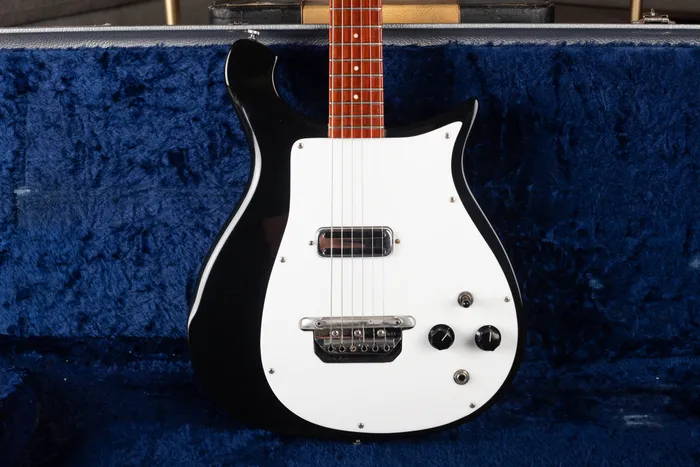
Rickenbacker 600-Series Authentication Guide
Identify Rickenbacker 600-Series instruments with archive photos, model differences, serial checks, repair clues and reissue comparisons.
Read moreIdentify Rickenbacker 600-Series instruments with archive photos, model differences, serial checks, repair clues and reissue comparisons.
Read more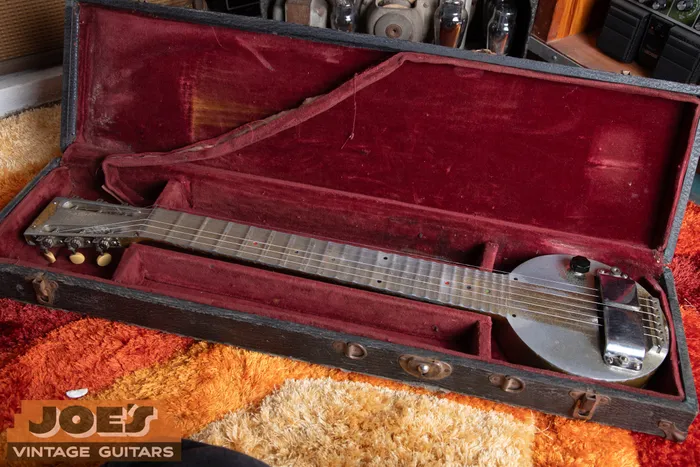
Identify Rickenbacker Bakelite Lap Steel instruments with archive photos, model differences, serial checks, repair clues and reissue comparisons.
Read moreIdentify Rickenbacker Frying Pan instruments with archive photos, model differences, serial checks, repair clues and reissue comparisons.
Read more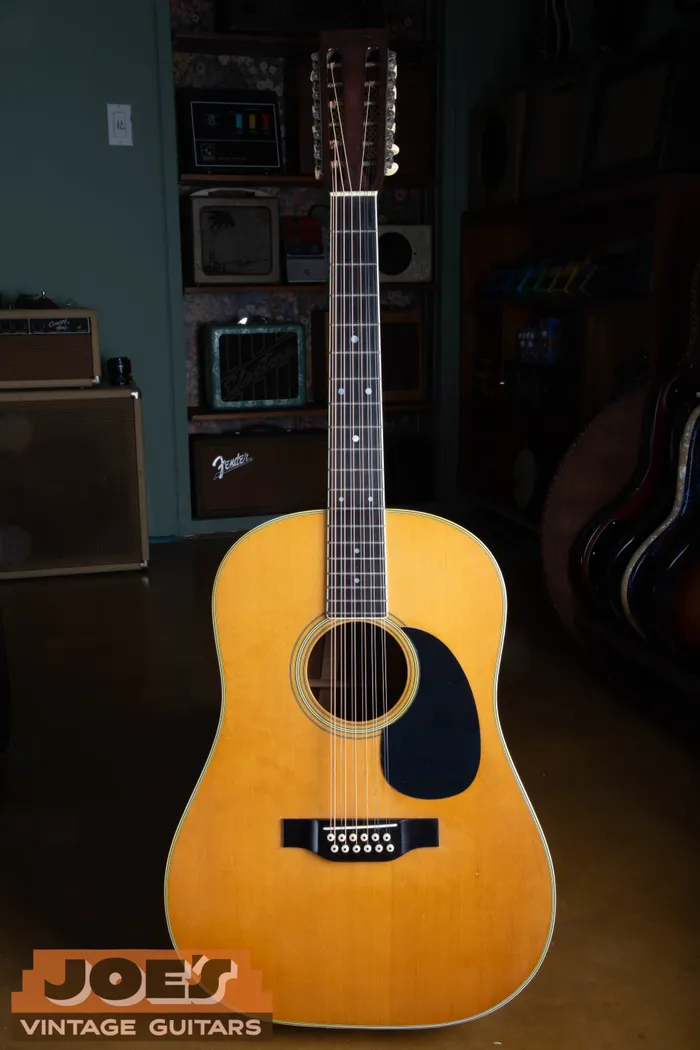
Martin’s regular twelve-string dreadnought line began with the D12-20 in late 1964, followed by the D12-35 in 1965. Both used a 12-fret body and short scale. Their first years brought pickguard and bridge-plate changes, while the D12-35 also reached the late-1969 rosewood transition.
Read more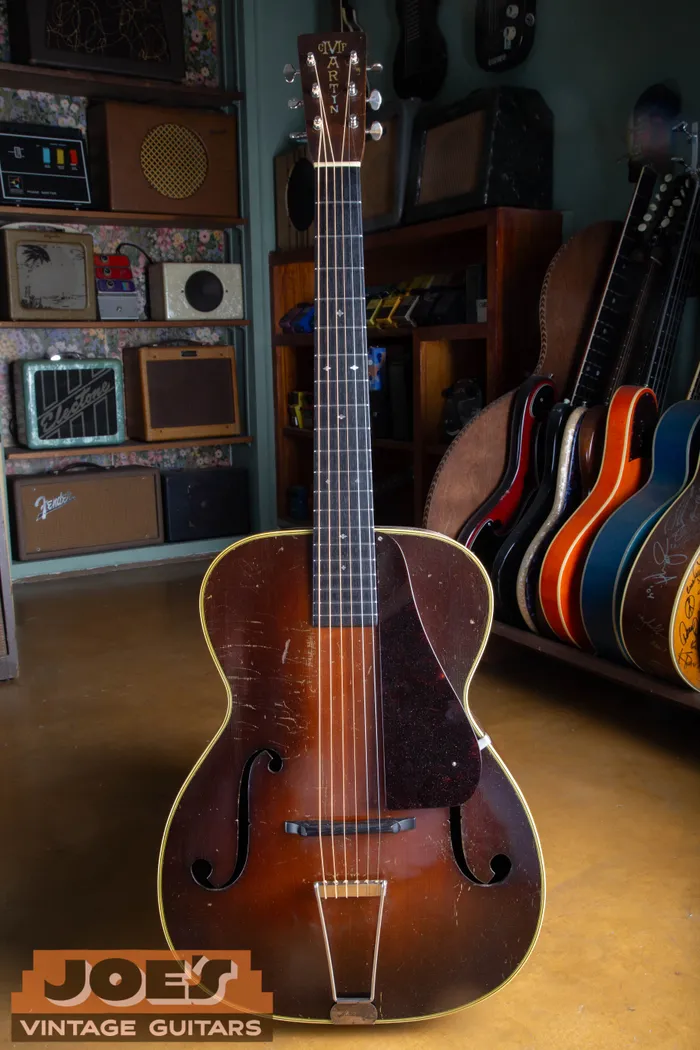
Martin’s acoustic archtops developed through three parallel families between 1931 and 1942. The C models began with carved tops and round soundholes; the smaller R series used pressed tops before the R-18 changed construction; and the F series introduced a wider 16-inch body. Soundholes, top construction and body size changed on separate schedules.
Read more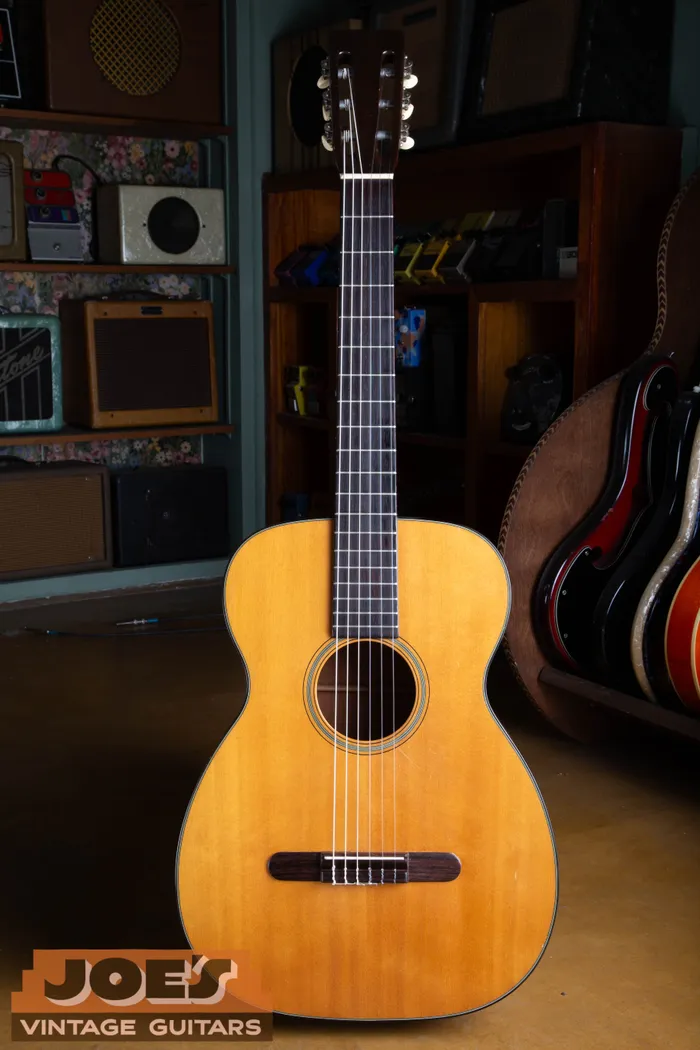
Martin’s dedicated classical line developed from the G series to the C and N families: G models from 1936, the C series from 1962, and the more Spanish-influenced N series from 1968. These families changed body shape and internal construction, while offering separate mahogany and rosewood versions.
Read more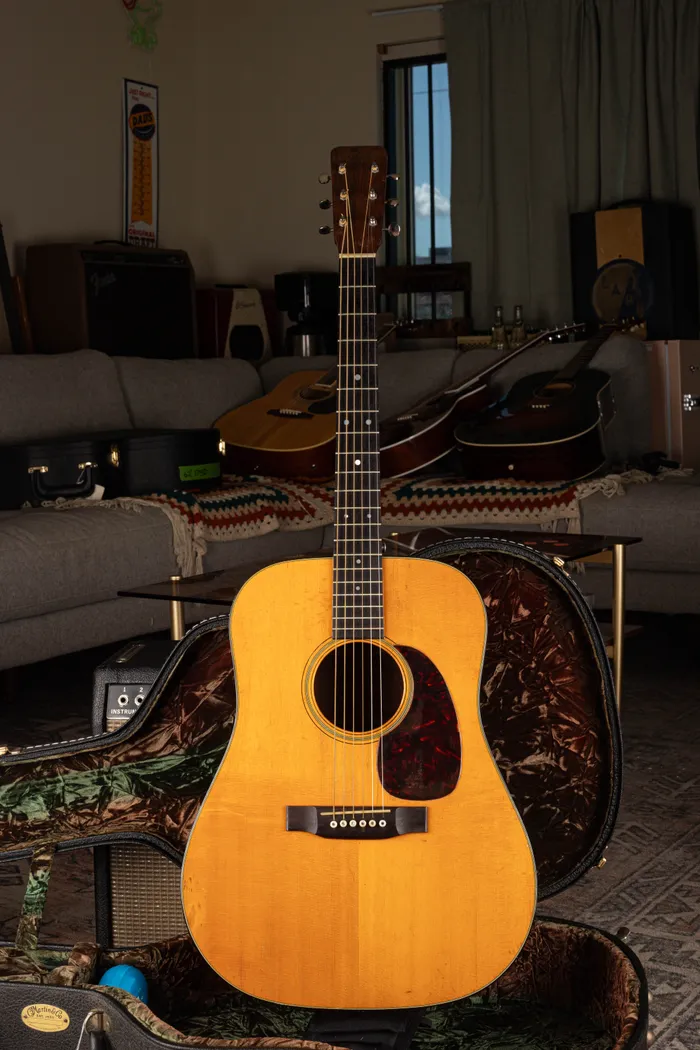
The original D-21 kept its spruce top, rosewood body and rosewood fingerboard and bridge throughout its short production run. The changes came in its fittings and construction: a shorter saddle in 1965, black trim and new neck reinforcement in 1967, rosewood bridge plates in 1968, and the back-and-side wood transition in 1969.
Read more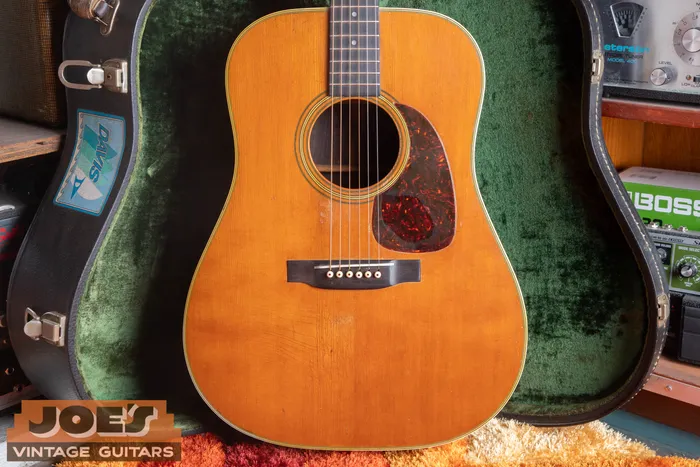
The D-28 changed substantially between its 1931 introduction and the end of the 1960s. Its history runs from a 12-fret dreadnought to the 14-fret model, then through changes in brace position, neck width, brace carving, top trim, bridge design and rosewood. These changes happened at different times.
Read more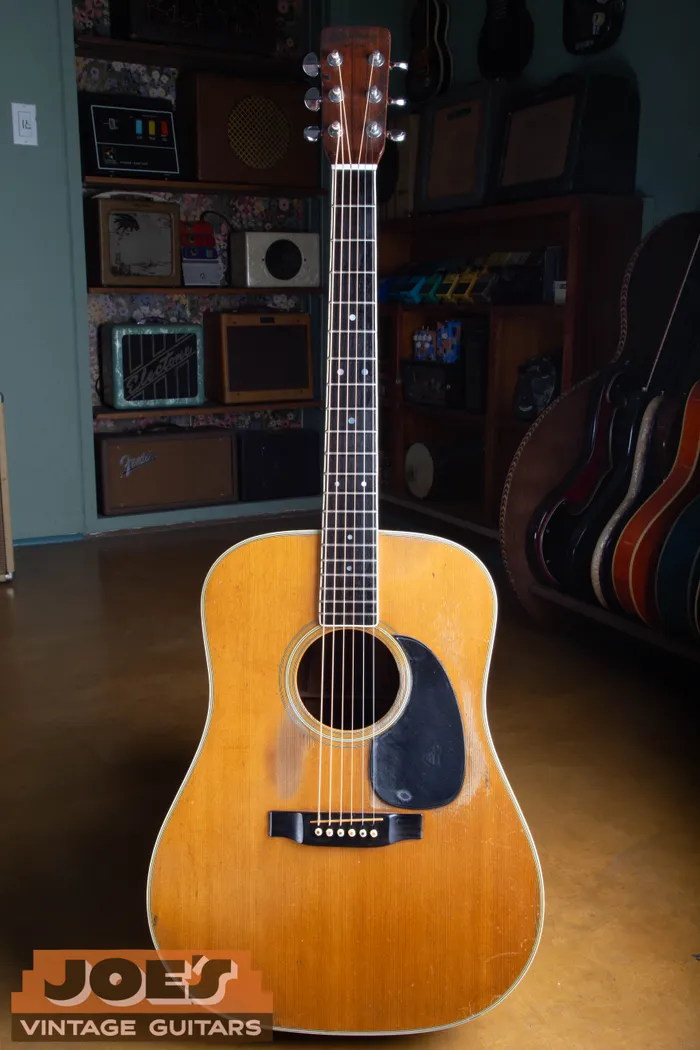
The D-35 arrived in 1965 with a three-piece rosewood back, a bound ebony fingerboard and lighter top braces than the D-28. Its early history includes small trim revisions, the 12-fret D-35S, and the late-1960s changes to neck reinforcement, bridge plates and rosewood.
Read more
Have a vintage guitar to sell or a question? I’m here to help.