Model-by-model authentication guides, serial-number dating help, and honest advice on valuing and selling vintage guitars, written by Joe Dampt from real instruments handled at the shop.
A 1957 Gibson Byrdland that came to us from one family, bought new by a 16-year-old with paper-route money and kept for 68 years. Here is the guitar, the year that made it special, and the owner's story.
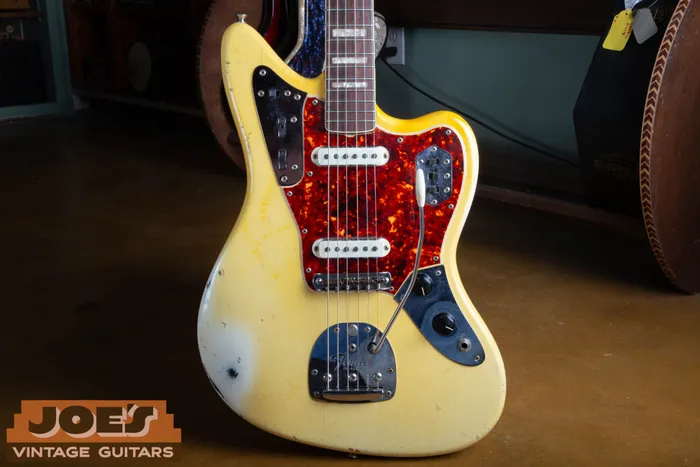
A real 1960s Fender custom color can be worth several times what the same guitar brings in sunburst, which is exactly why so many refinished guitars are wearing one today. This guide covers everything we check when a custom color Fender comes through the shop: the color charts, the undercoats (white, silver, gold, and Desert Sand), nail holes, paint stick shadows in the neck pocket, what belongs under the pickguard, matching headstocks, how each color ages, blacklight testing, the classic refinish tells, and the soldering iron mark that gives away a factory refinish.
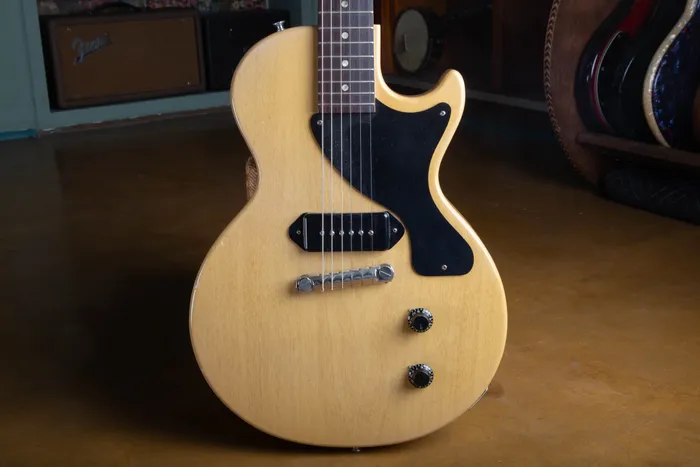
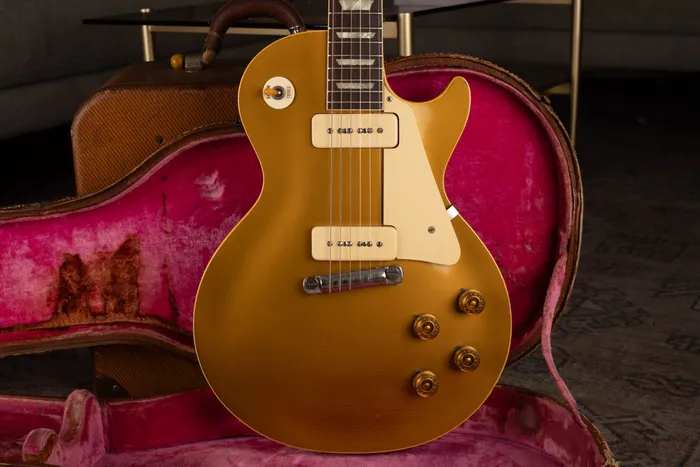
The Les Paul TV Model is a Gibson Les Paul Junior wearing the pale limed mahogany finish collectors call TV Yellow. It carries a single dog-ear P-90, a slab mahogany body, and one of the lowest production counts of any 1950s Gibson solidbody. This guide covers the full history, the year-by-year specs, how to date one by its serial number, the real Kalamazoo shipping totals, and what actually drives value, drawn from hands-on experience authenticating these guitars at Joe's Vintage Guitars.
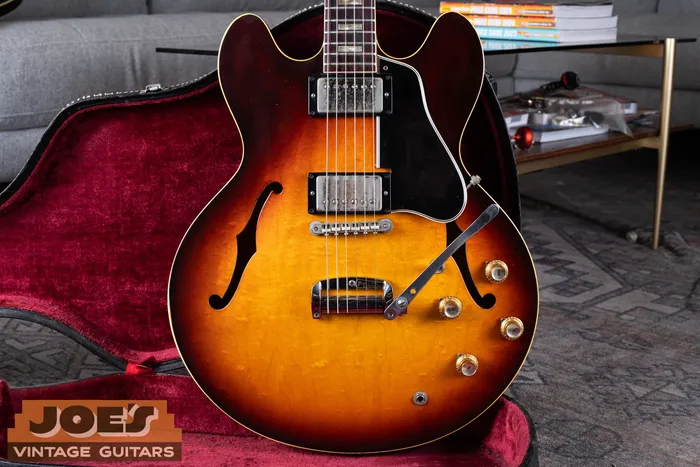
A 1965 Gibson ES-335 turned up wearing a short Maestro Vibrola, a factory combination I had never seen on a 335. Here is why I read it as original, how the ground wire and a clean top confirm it, and what an unusual factory feature like this means for a vintage Gibson's value.
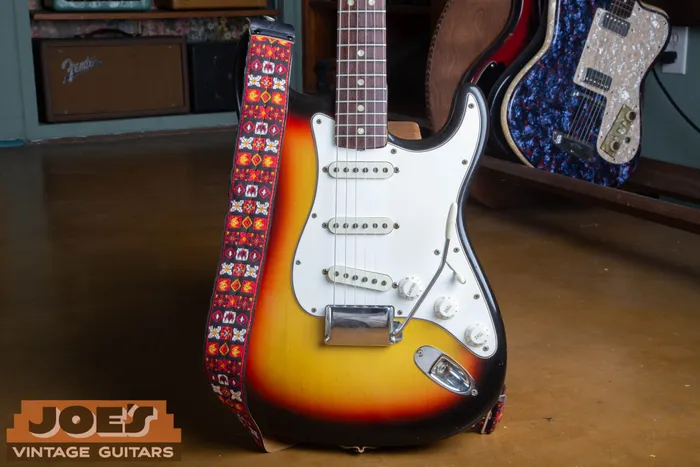
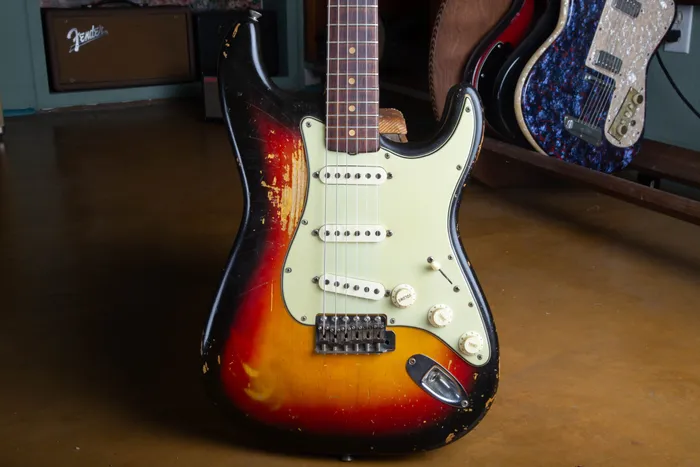
The 1966 Stratocaster sits in a transitional window of Fender history. Here’s the full authentication walkthrough: every spec, every dating tell, the custom color chart, the fakes to watch for, and what one is worth in today’s market.
A 5% selling fee can quietly become 12% by the time you get paid. Here is what every major online platform actually costs vintage guitar sellers in 2026, four platforms compared side by side.
Pre-CBS 1963 Fender Stratocasters sit at the top of every collector’s list. Here’s how to authenticate and date a real one: L-series serials, pot codes, neck heel stamps, custom colors, finish evidence, and the puzzle piece neck plate trick that catches refinishes.
Jim’s parents bought him a brand-new 1973 Fender Jazz Bass for Christmas: sunburst, maple board, black blocks. Fifty years later, we put it head-to-head with Fender’s brand-new Vintera III Early ’70s Jazz Bass. Here’s how the reissue stacks up against the real thing.