

From My Guitar Archive
Vintage Fender
Value Guide
Choose your Fender model to find its value guide. I've gathered the guitar and bass guides here so you can go straight to the year, finish and condition that match yours.
Find Your Model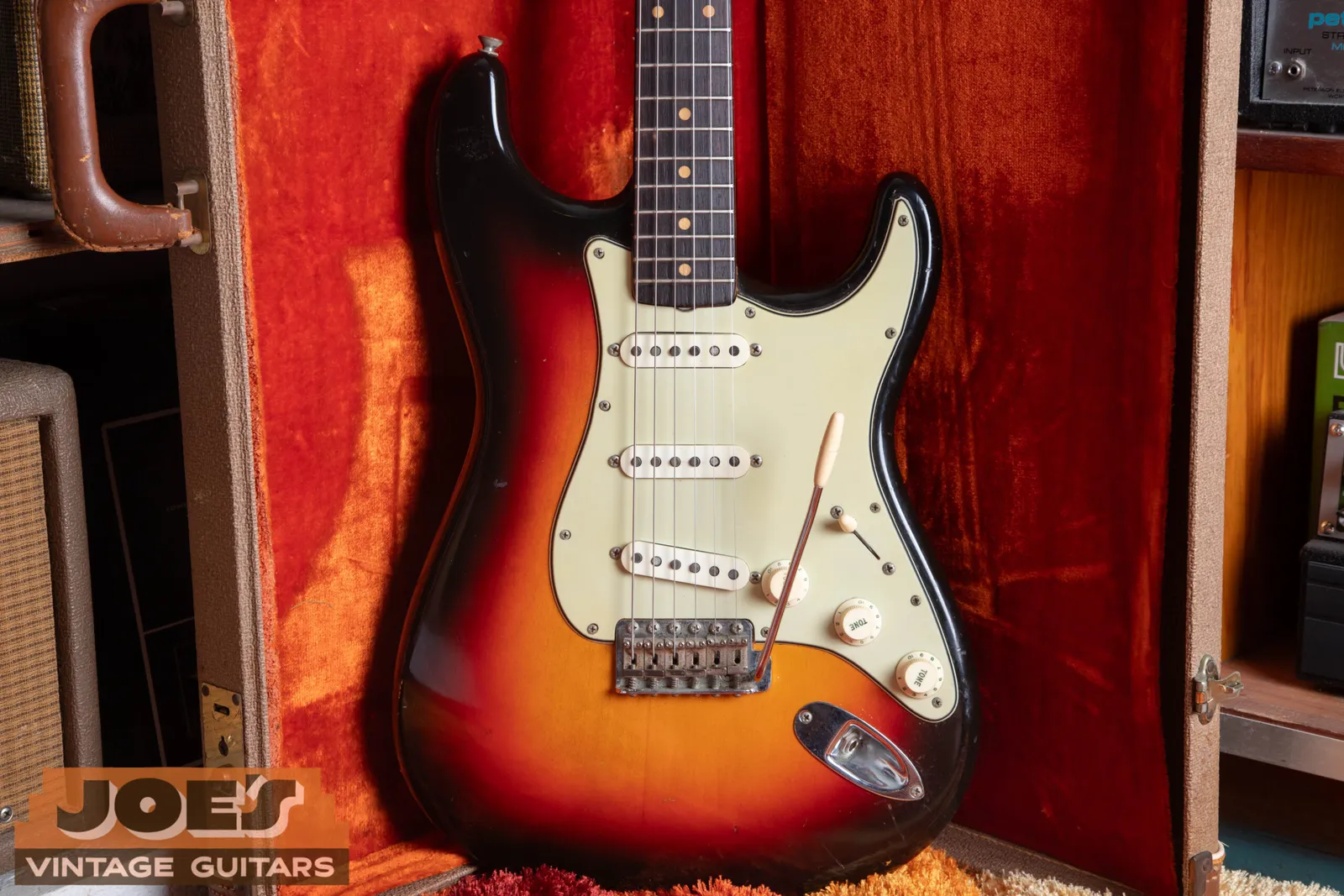
Guitars And Basses
Find Your Fender Model
Open a guide for its year-by-year references, condition notes and original photographs. Each model has its own comparisons.
The Bass VI price guide covers original six-string basses, with a separate Bass VI identification guide. Compare the Telecaster Thinline, Custom and Deluxe values after checking their different factory layouts. For a single-pickup guitar, use the Esquire authentication guide to distinguish factory identity from a later conversion.
Electric Guitar
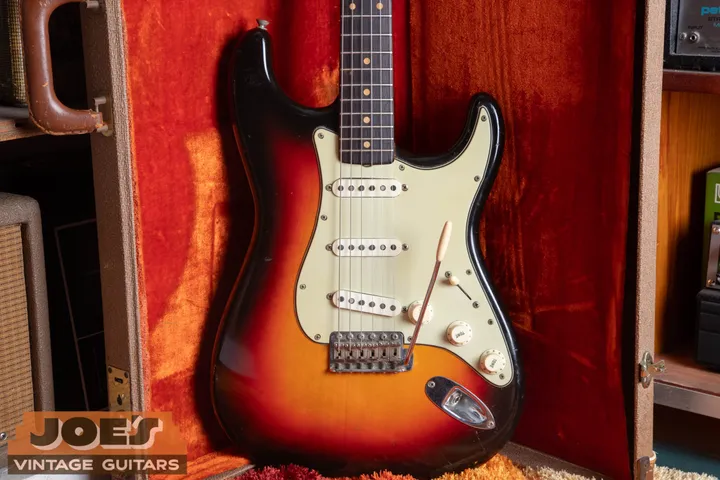
Stratocaster
Find the year guide for your Strat, with finish, originality and condition comparisons. Match the neck, pickups and bridge as well as the date. A hardtail needs its own comparison with the vibrato-equipped version.
Explore The Value Guide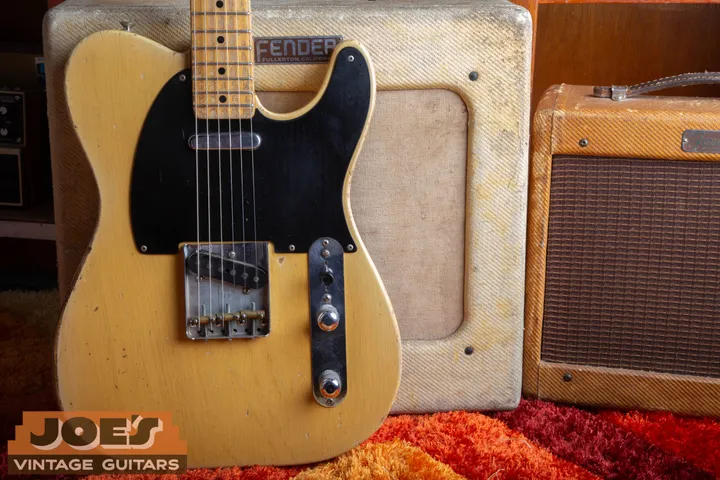
Electric Guitar
Telecaster
Follow the Broadcaster, Nocaster and Telecaster family to the matching year guide. Check the finish and original bridge configuration before comparing examples. The year guides explain the changes within the early family.
Explore The Value Guide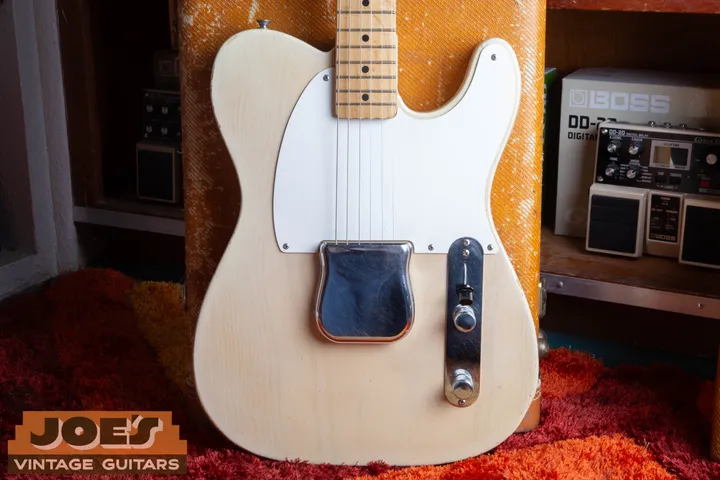
Electric Guitar
Esquire
Use the Esquire's own year and finish references, including blonde and custom color examples. Identify the original pickup and wiring arrangement before comparing it with a Telecaster. Similar bodies can conceal different histories.
Explore The Value Guide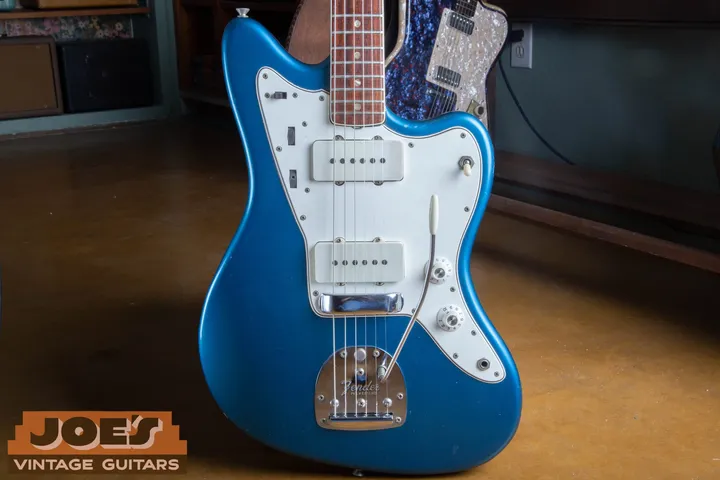
Offset Guitar
Jazzmaster
Compare gold guards, slab boards, later necks and custom colors in the annual guide. Match the fingerboard and guard to the correct period, then read the condition assumptions for that group.
Explore The Value Guide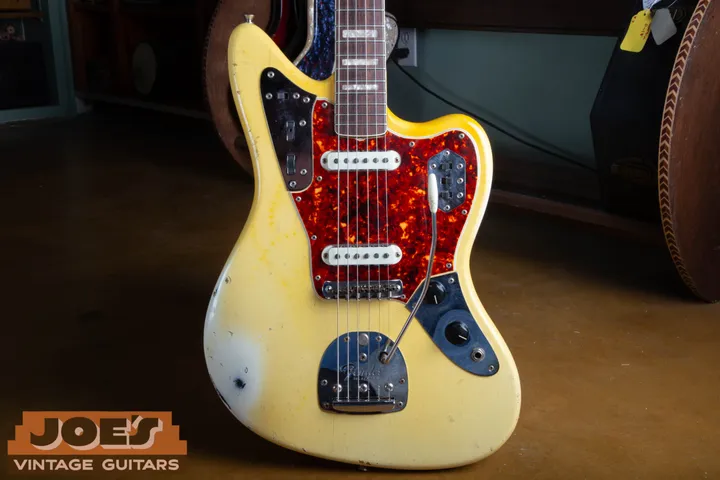
Offset Guitar
Jaguar
Find Jaguar comparisons by year, with notes on original finishes, parts and condition. Keep the original hardware and case details in view. A clean example and a played guitar can need different comparisons.
Explore The Value Guide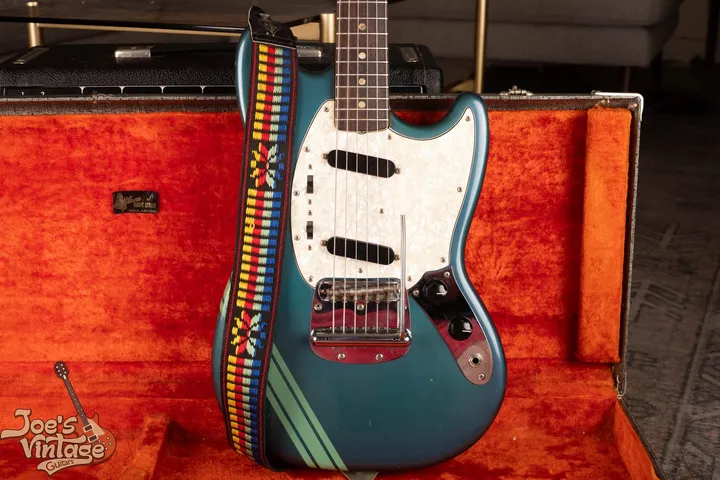
Electric Guitar
Mustang
Compare standard and Competition Mustangs, with annual references and model history. Identify the version before comparing finishes. The guide separates condition levels so ordinary playing wear stays in context.
Explore The Value Guide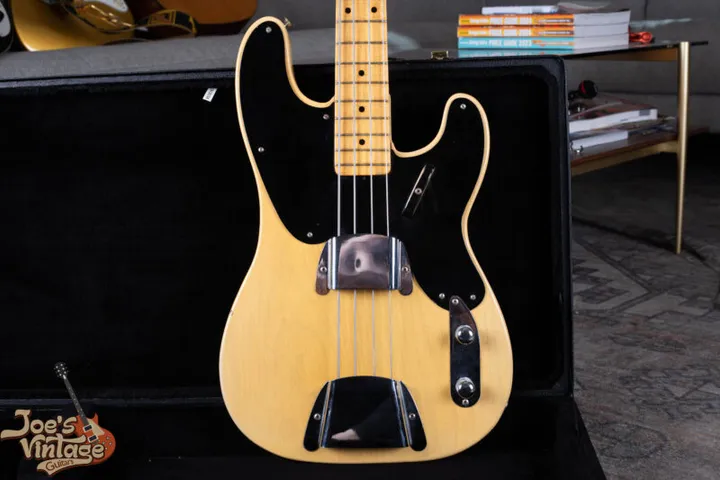
Electric Bass
Precision Bass
Choose the early slab-body, contoured or later Precision comparison for your bass. The body contours and pickup design separate important groups. A familiar Precision name alone does not identify the right range.
Explore The Value Guide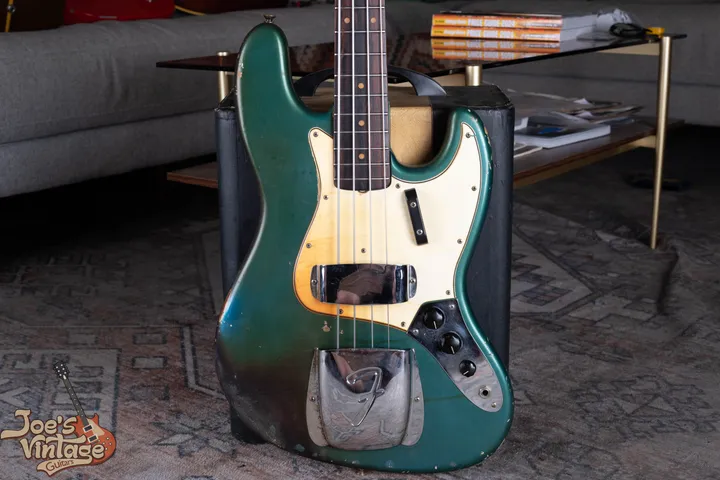
Electric Bass
Jazz Bass
Find stack-knob and later Jazz Bass comparisons, with year, finish and condition notes. Identify the controls before choosing a comparison, then check which repairs, replacement parts and case condition that range allows.
Explore The Value GuideBefore You Compare Your Fender
Start with the model, then match the year and configuration in its guide. I keep the condition assumptions beside the comparisons, so you can see how finish wear, repairs, changed parts and the case affect the reference you’re using.
If you haven’t established the year, my Fender serial number and dating guide is a starting point. For a question about the finish, use my Fender custom color authentication guide.
You don’t need to take the instrument apart before getting in touch. Keep its case, paperwork and any removed original parts together, and tell me about the changes you know of.
Match The Year And Configuration
A Fender model name covers more than one construction period. Before choosing a range, compare the features named in the guide with the instrument you have. On a Precision Bass, the early slab body, later contours and split pickup distinguish separate groups. On a Jazz Bass, the control layout helps separate the early stack-knob version from later instruments.
Treat a serial number as one clue. A neck plate, pickup or neck can have been changed, so a plausible date still needs to agree with the rest of the instrument. If the features point to different periods, send photographs of each rather than choosing whichever date gives the highest comparison.
Compare Finish, Repairs And Completeness
Original finish with playing wear and a later refinish are different conditions. A bright color alone doesn’t establish a factory custom finish, and a clean-looking guitar can still have changed pickups or altered wiring. Describe what you know and leave uncertain details open for inspection.
Read the condition notes beside the model’s figures. Some comparisons allow a quality refret or minor hardware changes; others assume more complete original parts. A replacement case, missing covers or repaired area needs to be considered within that specific group. There isn’t one deduction that fits every Fender model and every repair.
Prepare For An Individual Appraisal
Photograph the whole instrument in even light, then include the headstock, controls, bridge and any visible damage. Show the case inside and out. Old receipts, owner photographs and removed parts can help explain its history. Keep those items together, and tell me which details came from a previous owner. A guide narrows the comparison; an appraisal applies it to your guitar or bass.
Using The Guides
Questions About Fender Values
Where Can I Find A Price Range For My Fender?
Choose your model above, then find the year and configuration in its guide. I've kept the price tables and condition notes together on those model pages so you can read the assumptions with each comparison.
What If I Don't Know The Model Or Year?
Send me clear photographs of the whole instrument, both sides of the headstock and its case, along with any history you know. You don't need to remove the neck or open the electronics before getting in touch.
Can I Use The Guide If My Fender Has Changed Parts?
Yes. Read the condition notes in the model guide and describe the changes you know about. A clean original and a repaired or modified instrument need different comparisons, so don't assume the same range applies to both.
Do The Model Guides Include Bass Guitars?
Yes. The Precision Bass and Jazz Bass each have a dedicated value guide. I've linked both here so you can go straight to the bass model and its covered years.